How to Prepare for Your First Design Consultation
A little homework before we meet makes the first consultation twice as useful. Here's what to gather, what to think about, and what to leave to us.
- Process
- Tips

A first design consultation goes by quickly. There's a lot to cover: your space, your routines, your taste, your budget. A little preparation beforehand means we spend that time on the ideas, not on tracking down measurements. Here's what helps most.
Start with how you live, not how it looks
Before thinking about finishes or furniture, think about the room in use. Who's in it, and when? What do you do there on a Tuesday night versus a Saturday morning? What frustrates you about it right now?
Jot down a few honest answers. "There's nowhere to put the mail." "The dining table only gets used at Christmas." "The living room feels dark after four o'clock in winter." Notes like these tell us more than any photo, and they're usually where the best design ideas start.
Collect images you love, and ones you don't
Save anything that catches your eye: magazine pages, screenshots, saved posts, a hotel lobby you walked through on holiday. It doesn't need to be organized or consistent. Patterns show up on their own.
It's just as useful to save the things you don't like. Knowing you find high-gloss kitchens cold or can't stand busy wallpaper narrows the field quickly.
Not sure where to begin? Browse the Vision board on our homepage and like the styles that speak to you. We can pull those up together when we meet.
Know which pieces are staying
Very few projects start from a blank slate, and they shouldn't. Make a list of what you're keeping: the family dining table, a favourite painting, the sofa you bought last year. A quick photo and rough measurements of each save a lot of back and forth.
Pieces with a story are often where a room's personality comes from, so don't be shy about the sentimental ones.
Talk about budget early
Budget can feel awkward to raise, but it's one of the most useful things you can share. A range is enough. It shapes the plan from the start: where to invest, where to save, what to phase in over time.
A realistic budget doesn't limit good design. It focuses it.
Have a rough timeline in mind
Is there a date the room needs to be ready: a new baby, a family gathering, a move-in? Or is this a project you'd like to take slowly? Lead times on furniture and trades can be long, so knowing your timeline helps us plan realistically from day one.
Questions worth asking your designer
A consultation is also your chance to decide whether a designer is the right fit. A few questions worth asking:
- How do you structure your fees?
- How will we communicate, and how often?
- How are selections approved before anything is ordered?
- Who manages the trades and deliveries?
- What does a typical timeline look like for a project like mine?
What you don't need
You don't need to know your style, choose paint colours, or have a finished plan. That's our job. Come with your questions, your frustrations and your wish list, and we'll take it from there.
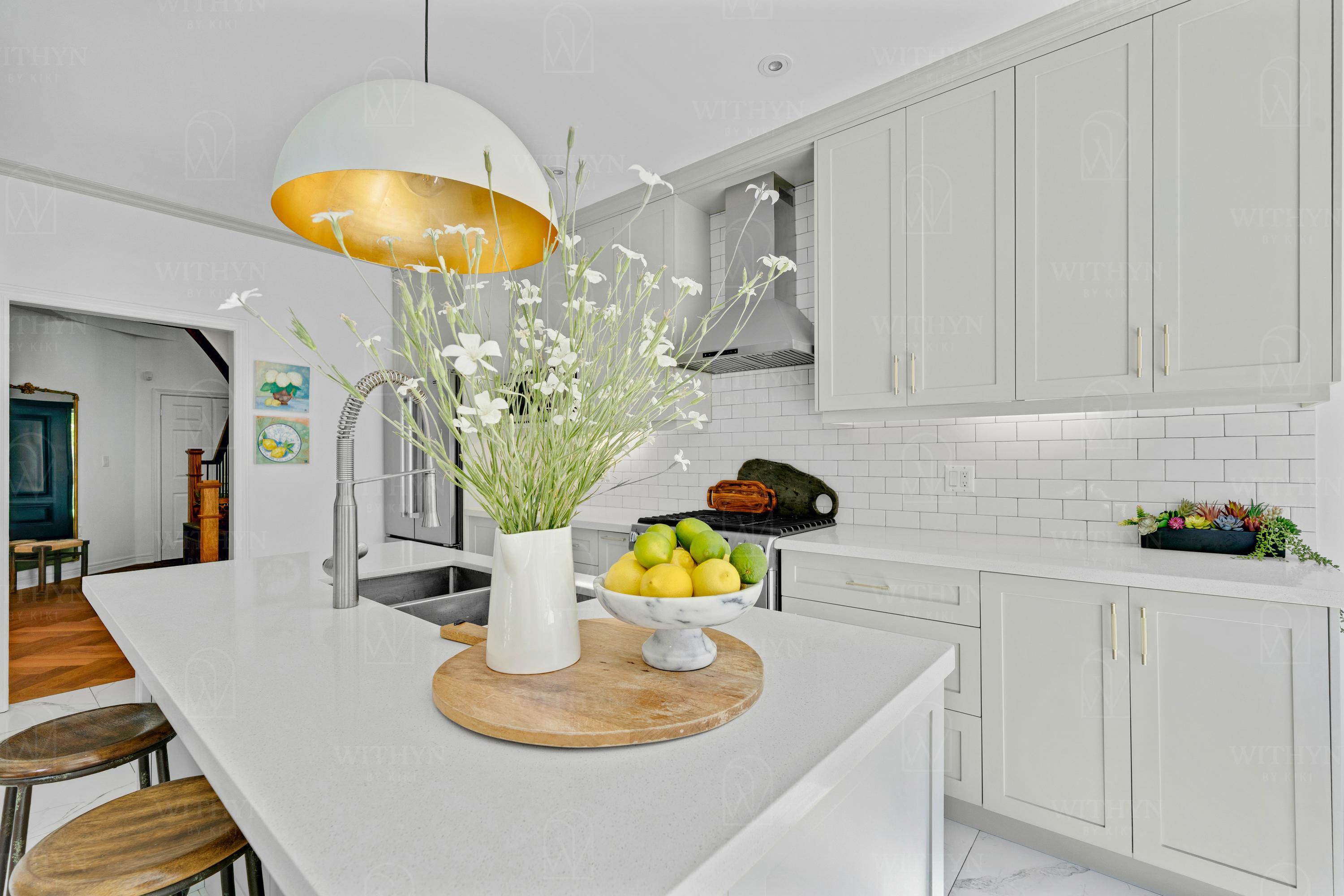 14 images
Kitchen · Markham
Modern and functional kitchen spaces with custom cabinetry
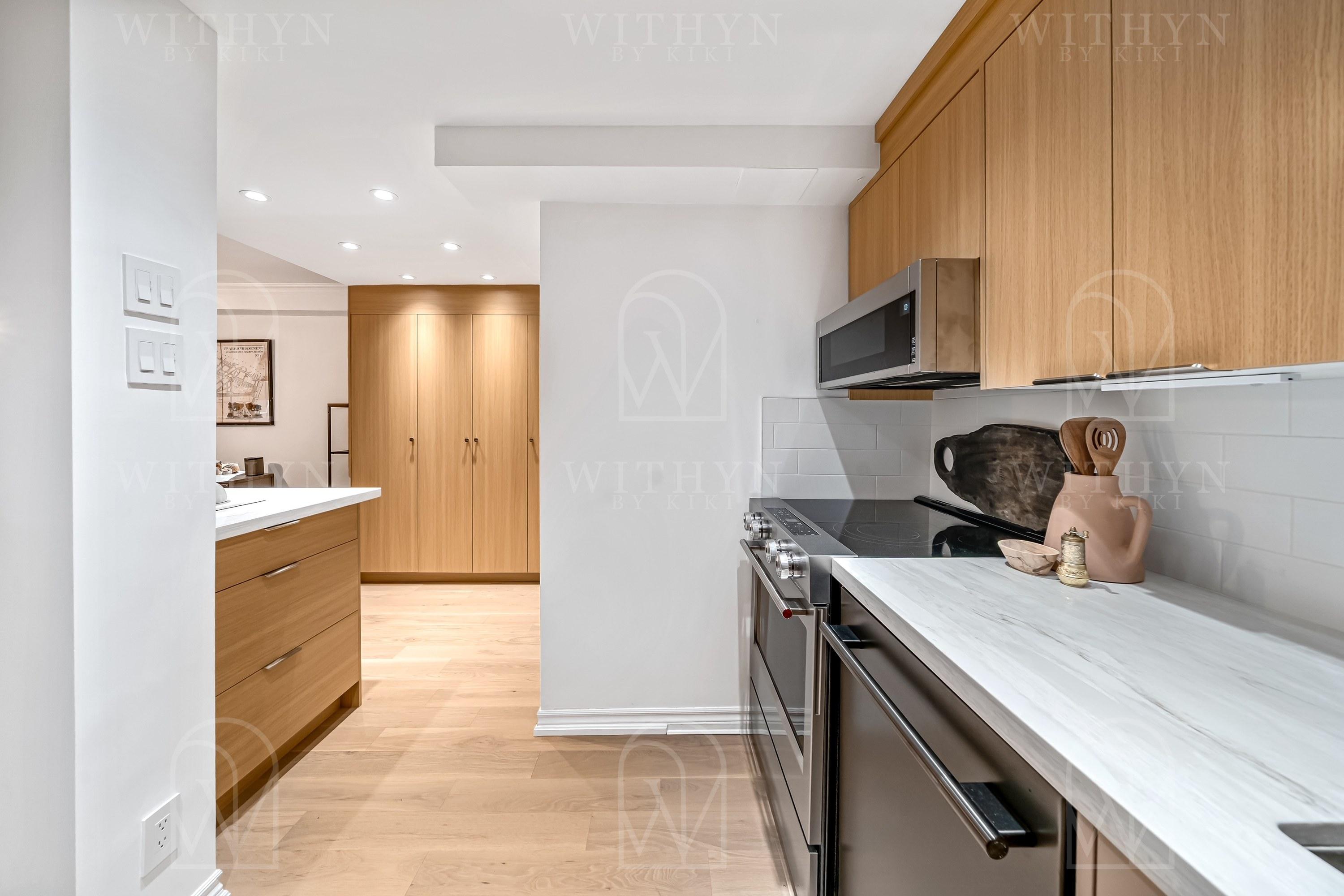 4 images
Kitchen · Richmond Hill
Modern and functional kitchen spaces with custom cabinetry
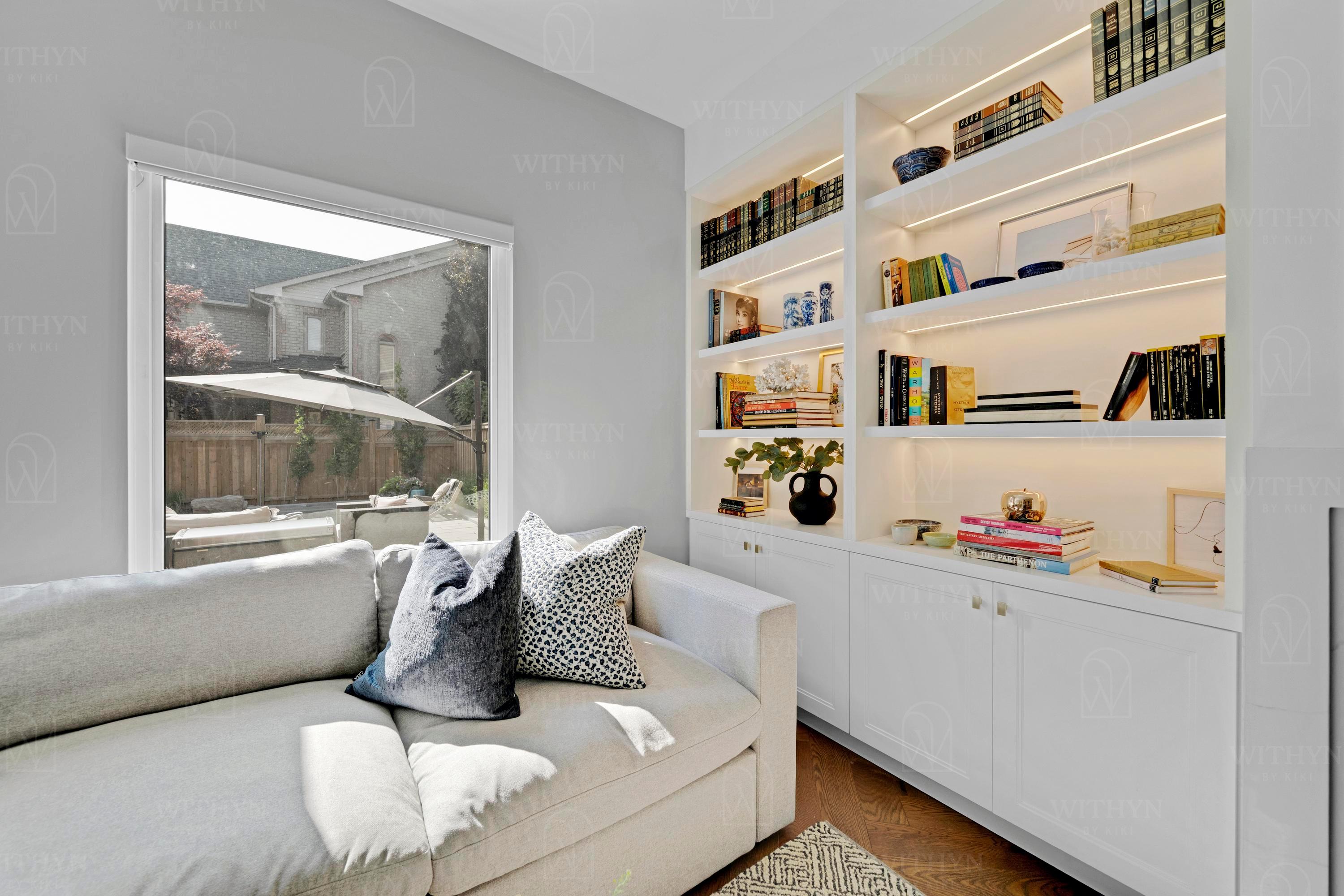 10 images
Living Room · Markham
Elegant living spaces designed for comfort and style
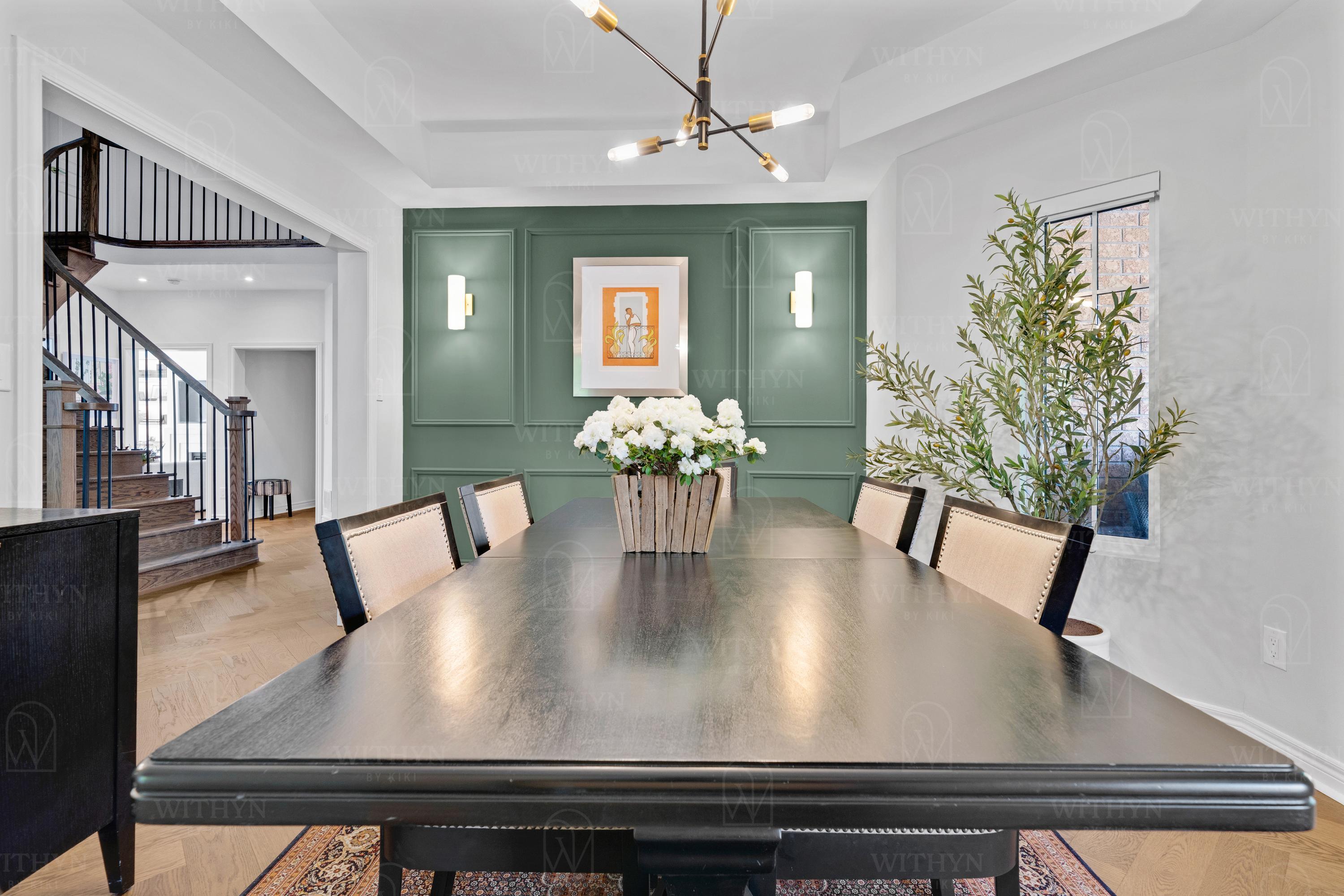 4 images
Dining Room · Markham
Sophisticated dining spaces for memorable gatherings
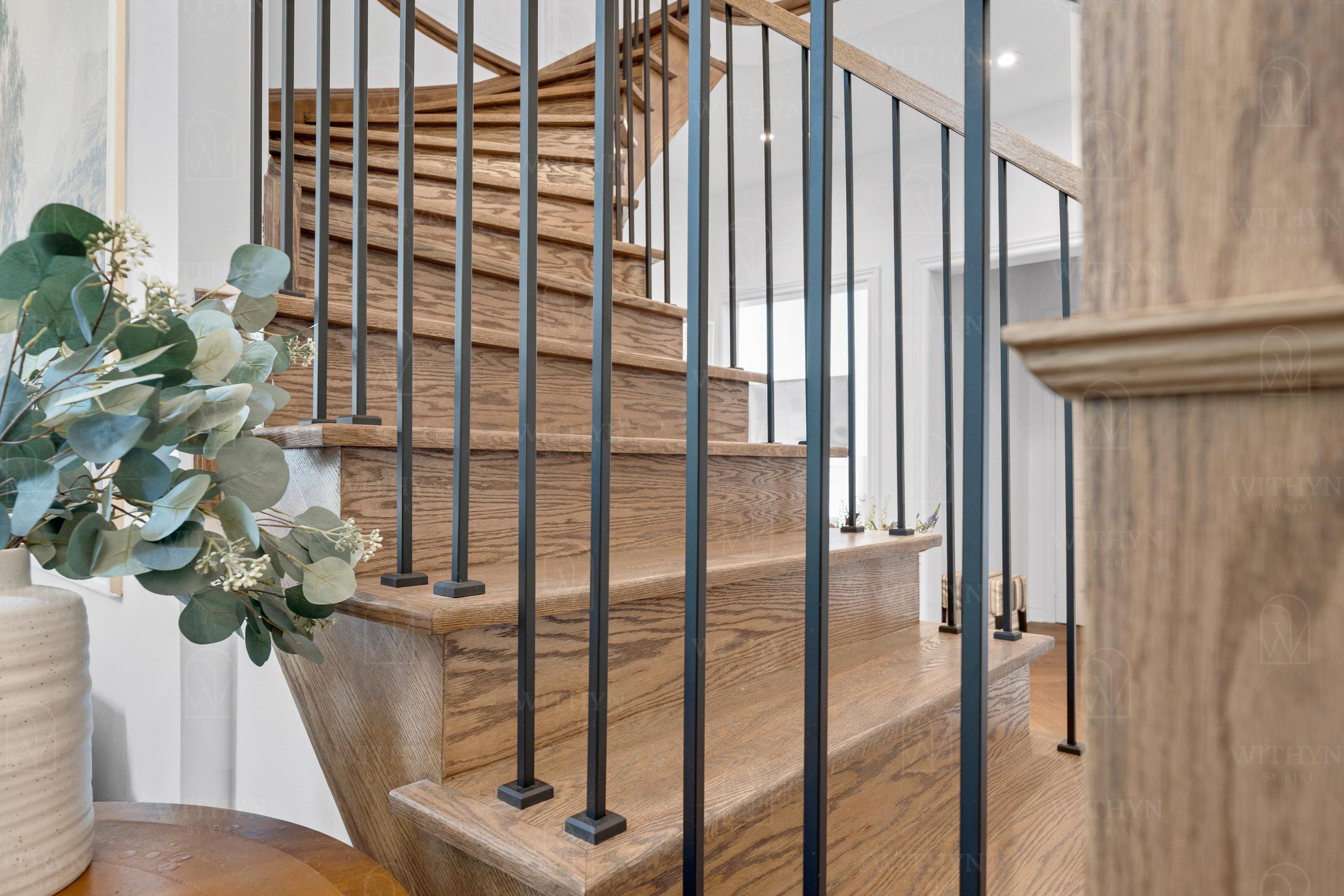 3 images
Staircase · Markham
Architectural details and elegant stairway design
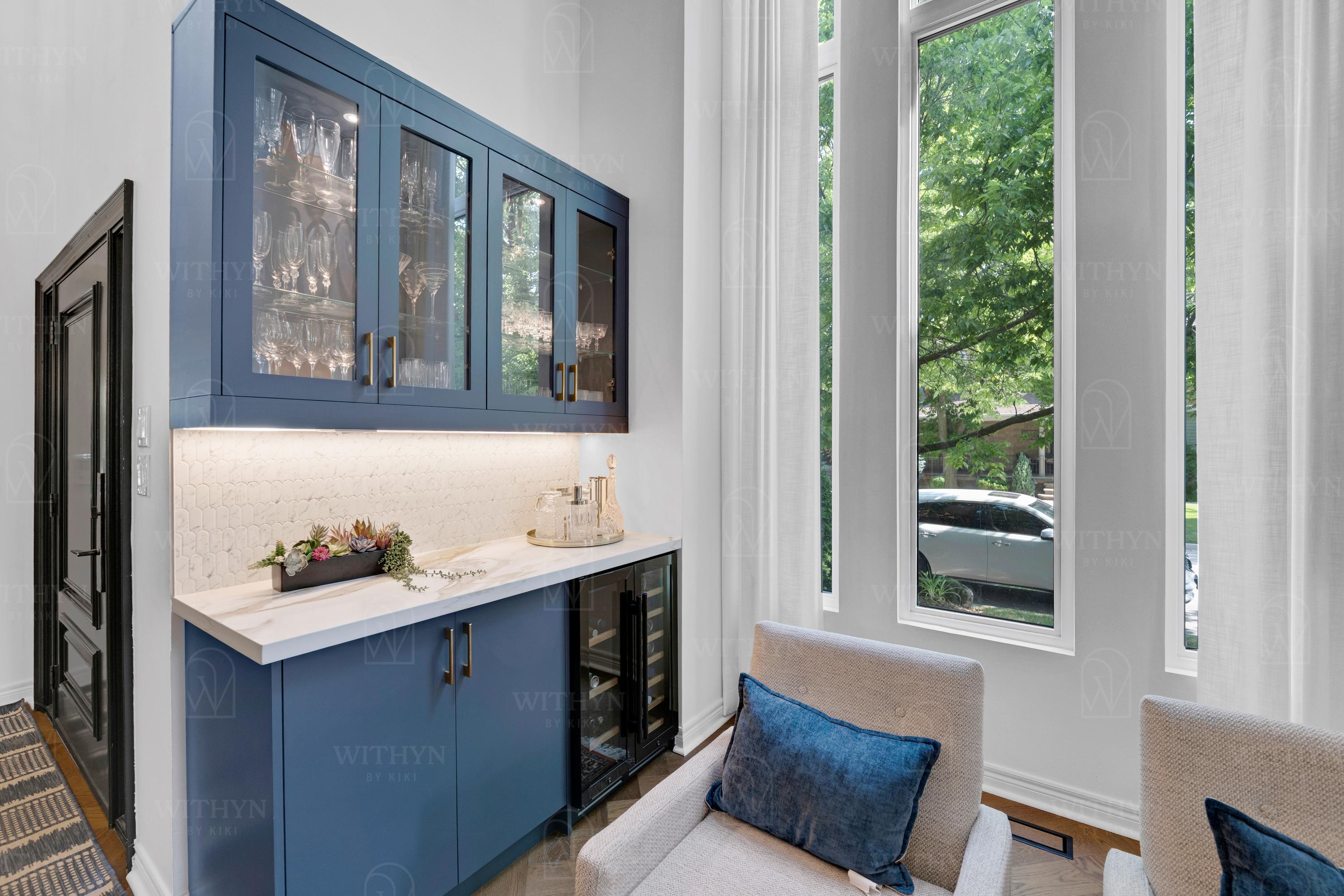 4 images
Entry Foyer · Markham
Welcoming entrance spaces with stunning first impressions
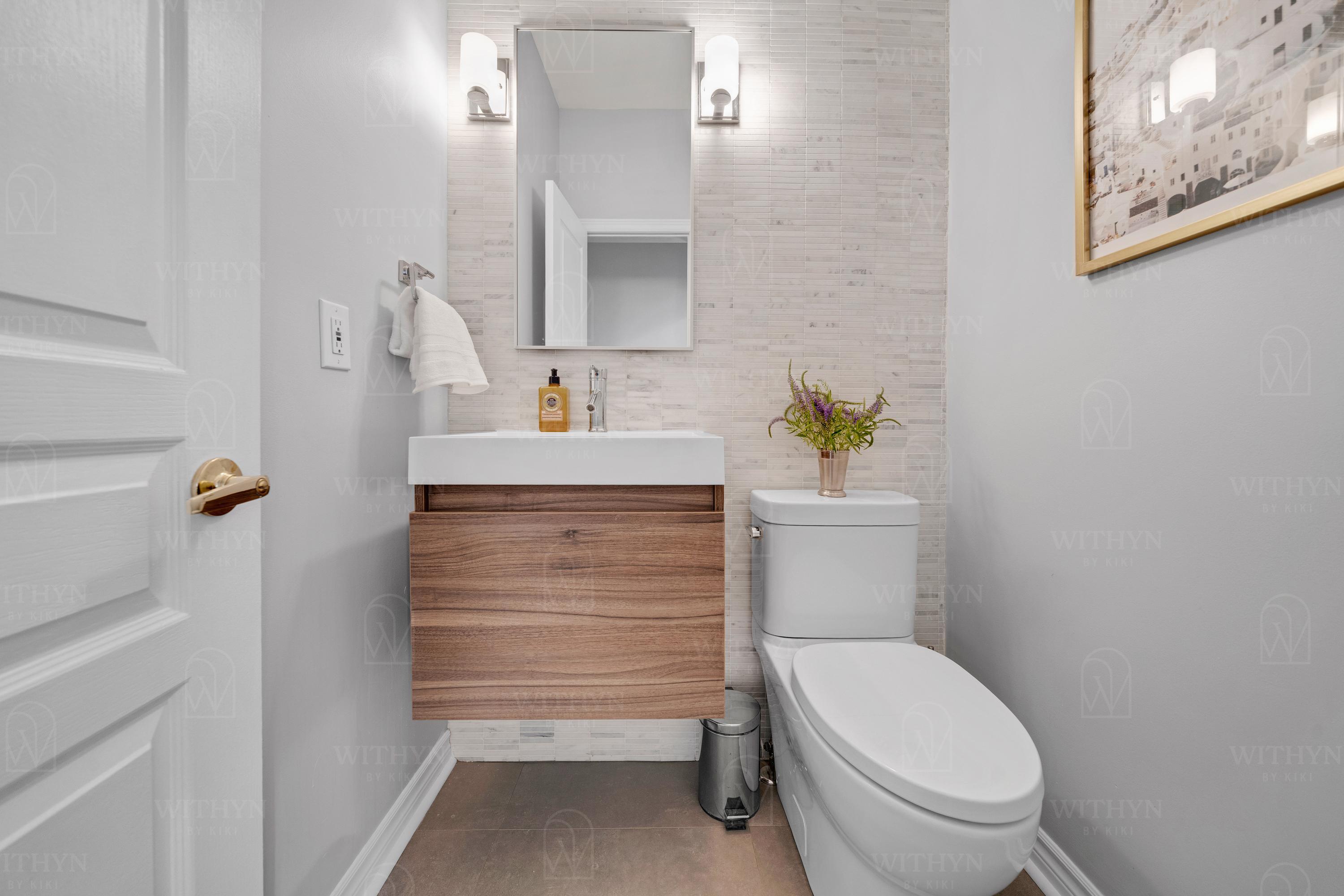 1 images
Bathroom · Markham
Luxurious bathroom design with premium finishes
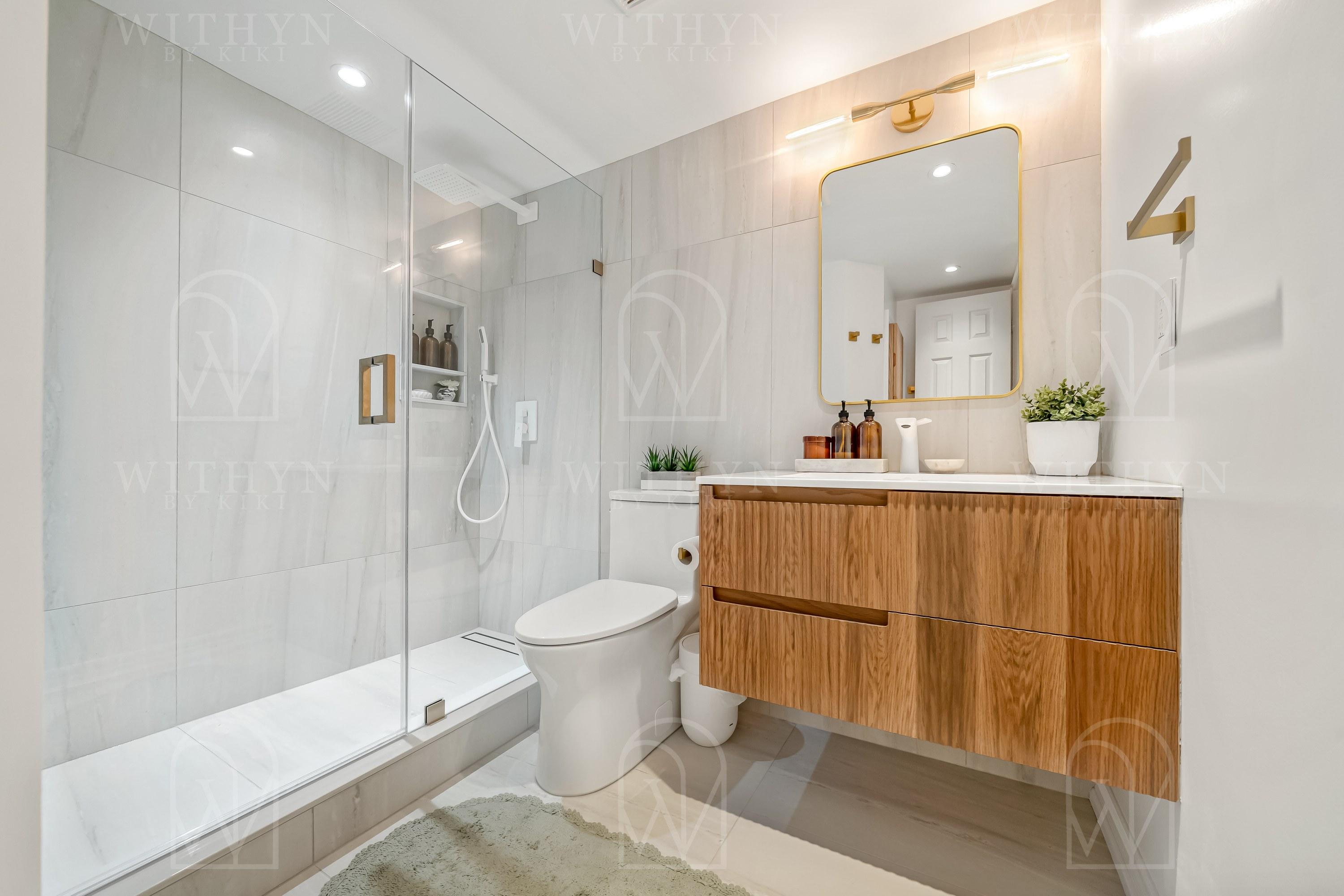 3 images
Bathroom · Richmond Hill
Luxurious bathroom design with premium finishes
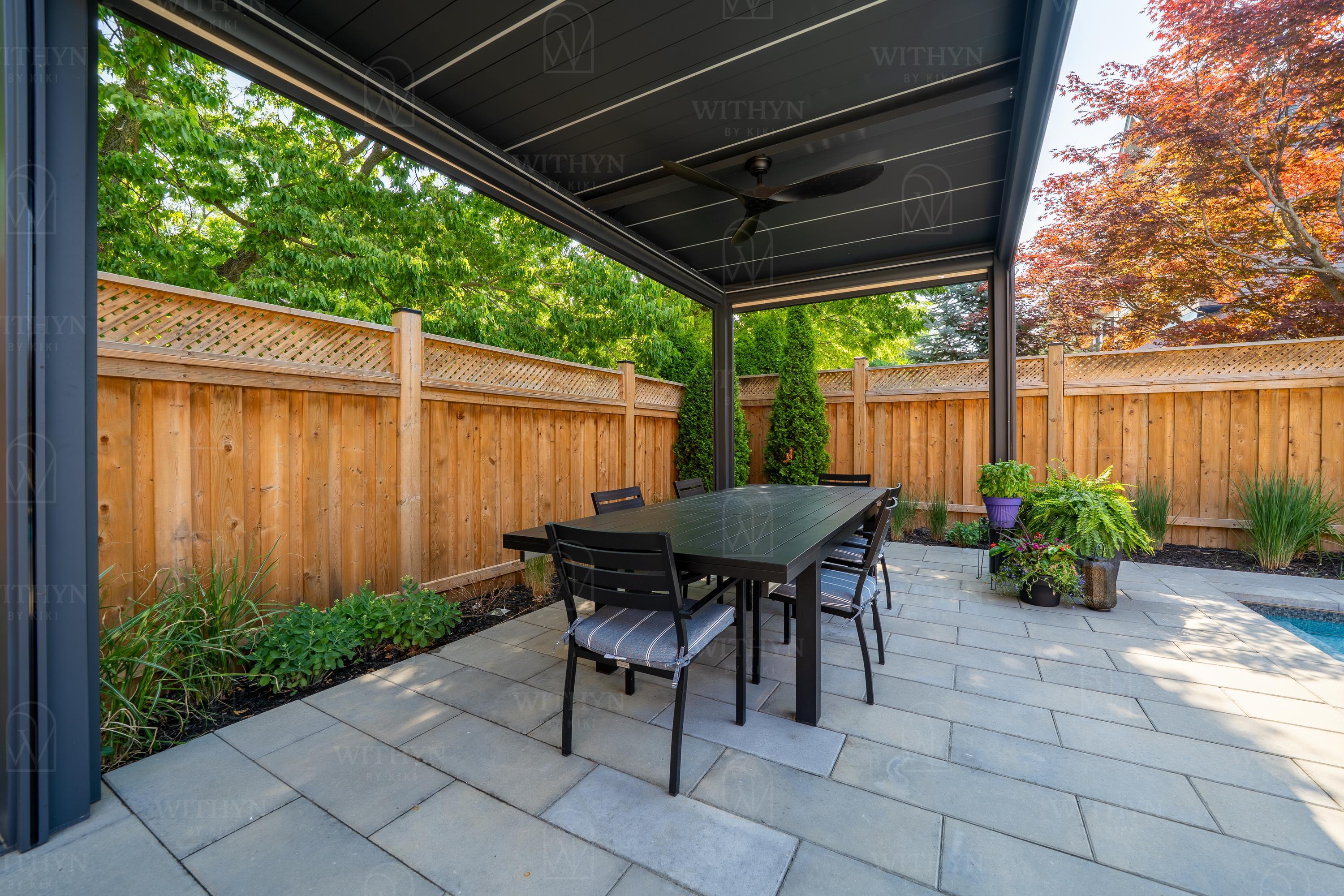 14 images
Outdoor Pool & Patio · Markham
Beautiful outdoor spaces perfect for relaxation and entertainment