Goodbye, Grey: Warming Up Your Home With Clay, Stone and Wood
The cool grey-and-white look is giving way to clay, terracotta, oak and limewash. How to bring that warmth in without starting over.
- Colour
- Trends
- Materials
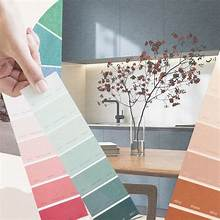
For the better part of a decade, the default renovation palette was grey: grey floors, grey walls, white cabinets, maybe a charcoal accent wall if you were feeling bold. It photographed well and felt safe. Many of those homes now feel a little cold.
Taste is moving toward rooms that feel warm, tactile and lived in, with colours drawn from clay, stone, soil and wood. The good news is that you don't have to gut a room to get there.
Why grey is fading
Grey was meant to be neutral, but in practice many cool greys read as flat, especially under our long, grey-skied Ontario winters. A room that already gets little natural light can start to feel like a waiting room.
People now want their homes to feel like a retreat. That means colours with warmth in them, materials with texture, and a sense that the house has a history rather than coming straight from a showroom.
The new neutrals
The neutrals leading the shift are earthy and softened:
- Clay and mushroom: warm mid-tones that sit somewhere between beige, taupe and brown.
- Softened terracotta: a muted, dusty version of the classic, lovely on a single wall or in a powder room.
- Warm whites: whites with a touch of cream or yellow in them, rather than the stark blue-whites of the grey era.
- Stone tones: the gentle greige, sand and ochre of natural limestone and travertine.
Always test paint colours on your own walls, in both morning and evening light. The same colour can look completely different on a north-facing wall in January.
Wood tones that do the heavy lifting
Nothing warms a room faster than wood. Natural oak and walnut are replacing painted white and grey cabinetry in kitchens and bathrooms, and warmer, less processed floor finishes are taking over from grey-washed planks.
If a full cabinet replacement isn't in the budget, wood can come in through a dining table, open shelving, a new vanity, or even picture frames and bowls.
Texture is colour too
Some of the warmest rooms have almost no "colour" at all. They rely on texture instead: limewash or plaster walls with soft movement, linen curtains, boucle and wool upholstery, a jute rug, unlacquered brass that darkens with age.
Texture catches light and adds depth, so even a pale room feels rich rather than sterile.
If you're not ready to repaint
You can shift the feel of a grey room without touching the walls:
- Swap cool-white bulbs for warm ones (2700K).
- Add a wool or jute rug in an earthy tone.
- Layer in terracotta, rust or olive through cushions and throws.
- Bring in wood, whether a side table, a mirror frame or a stack of turned bowls.
- Add a lamp or two at eye level. Warm pools of light change a room more than almost anything else.
The bigger picture
This isn't just a new trend replacing an old one. It reflects a broader wish for homes that feel personal and grounded. Warm, natural materials also age gracefully, so a room built around them is one you'll still love in ten years.
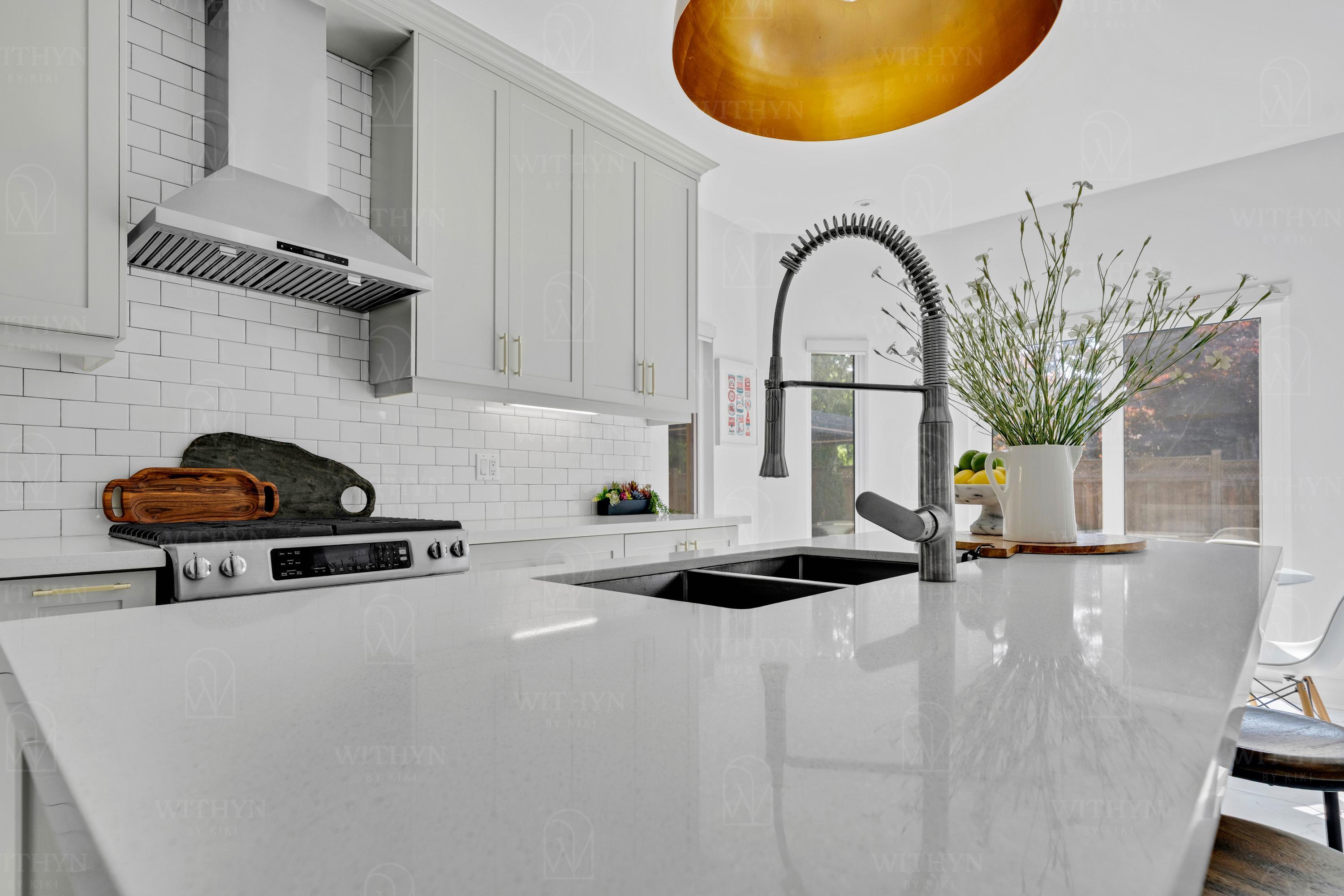 14 images
Kitchen · Markham
Modern and functional kitchen spaces with custom cabinetry
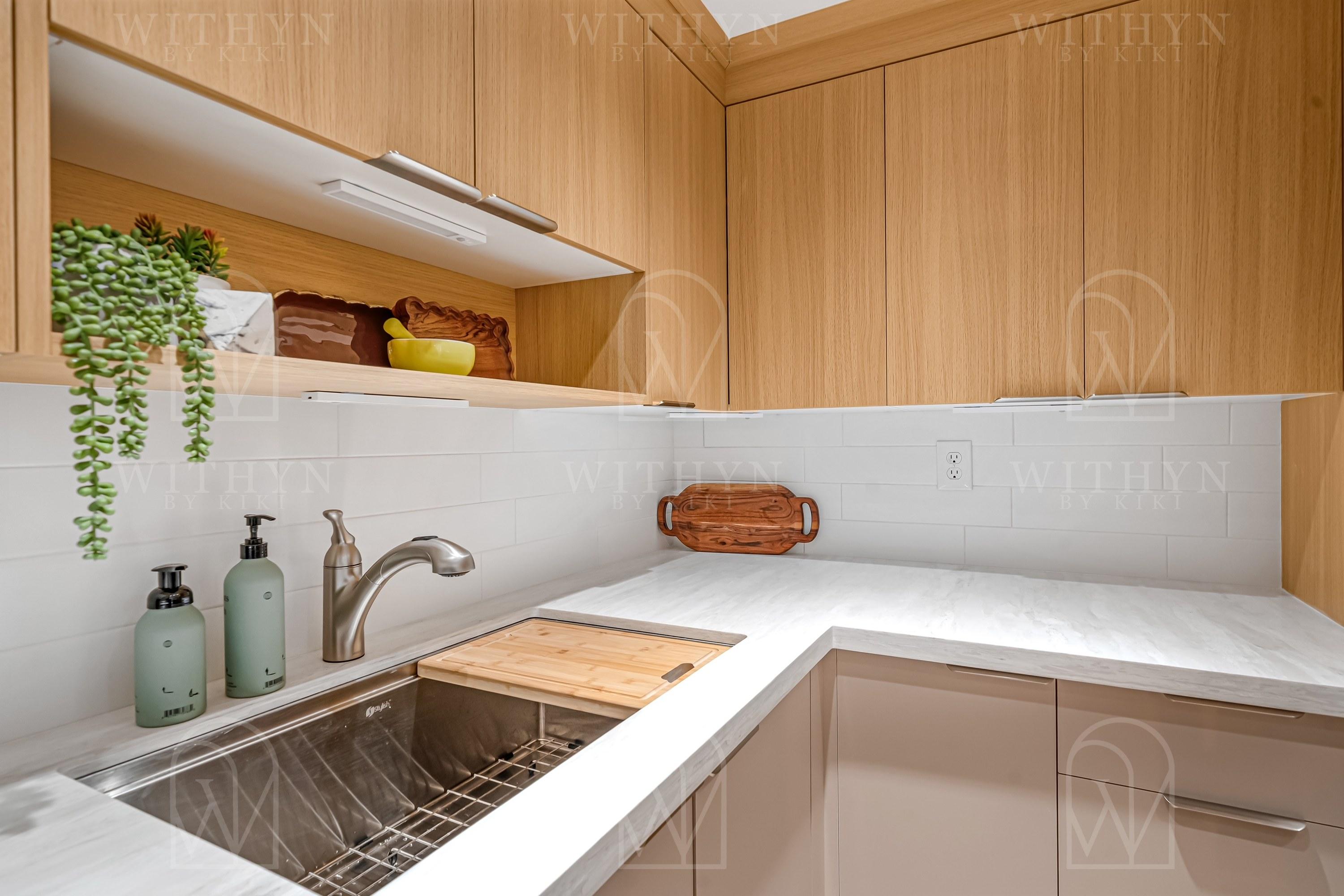 4 images
Kitchen · Richmond Hill
Modern and functional kitchen spaces with custom cabinetry
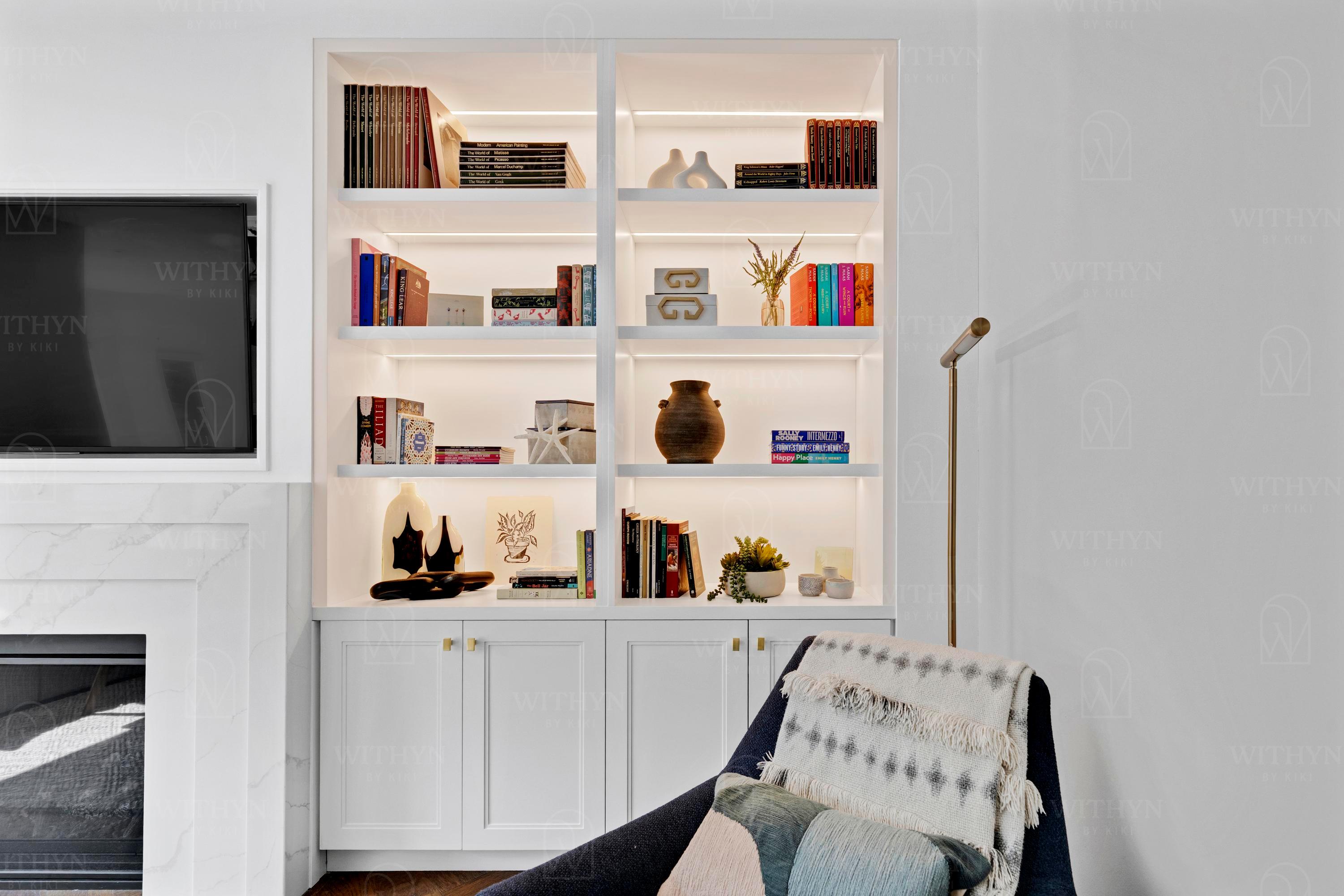 10 images
Living Room · Markham
Elegant living spaces designed for comfort and style
 4 images
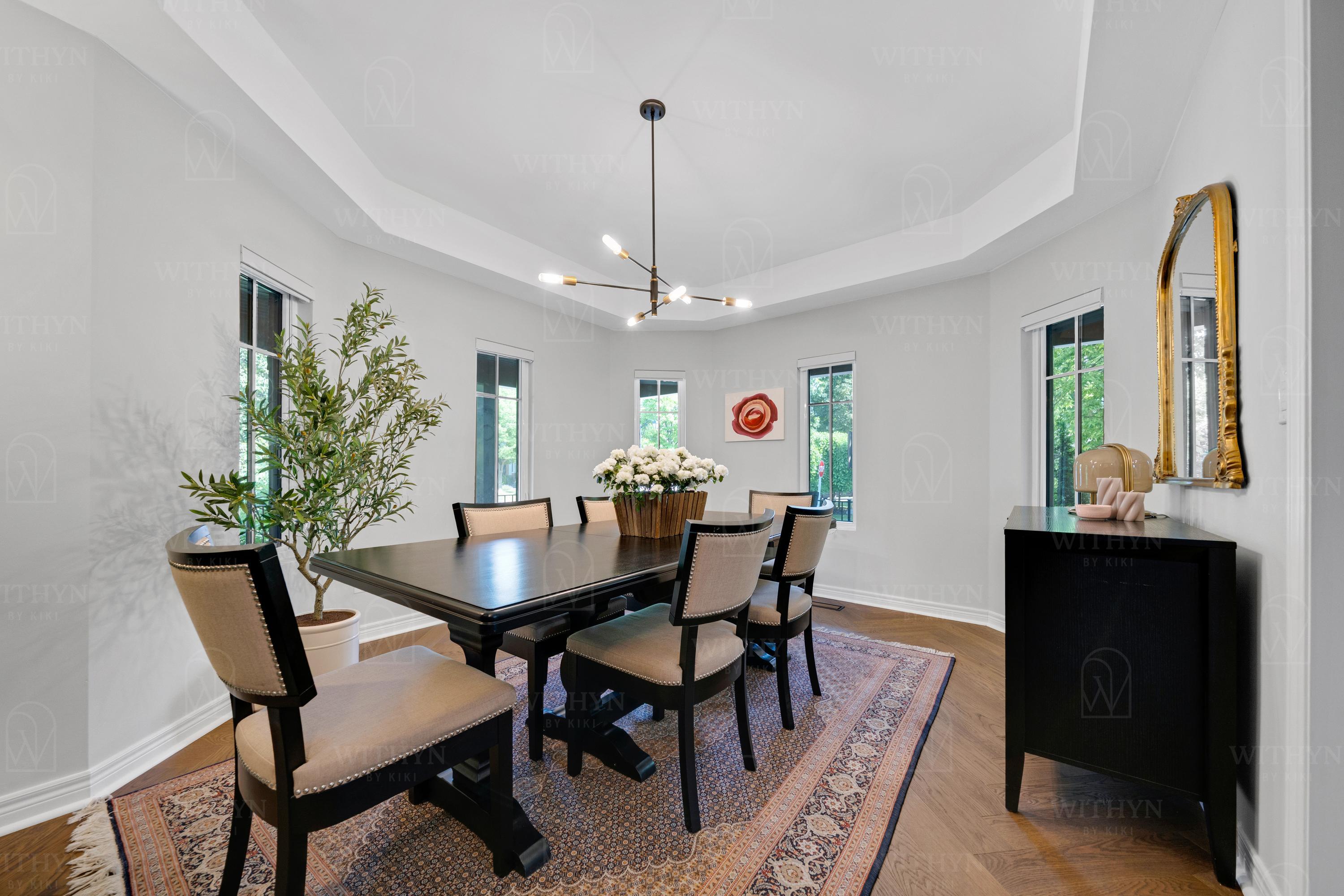
Dining Room · Markham
Sophisticated dining spaces for memorable gatherings
 3 images
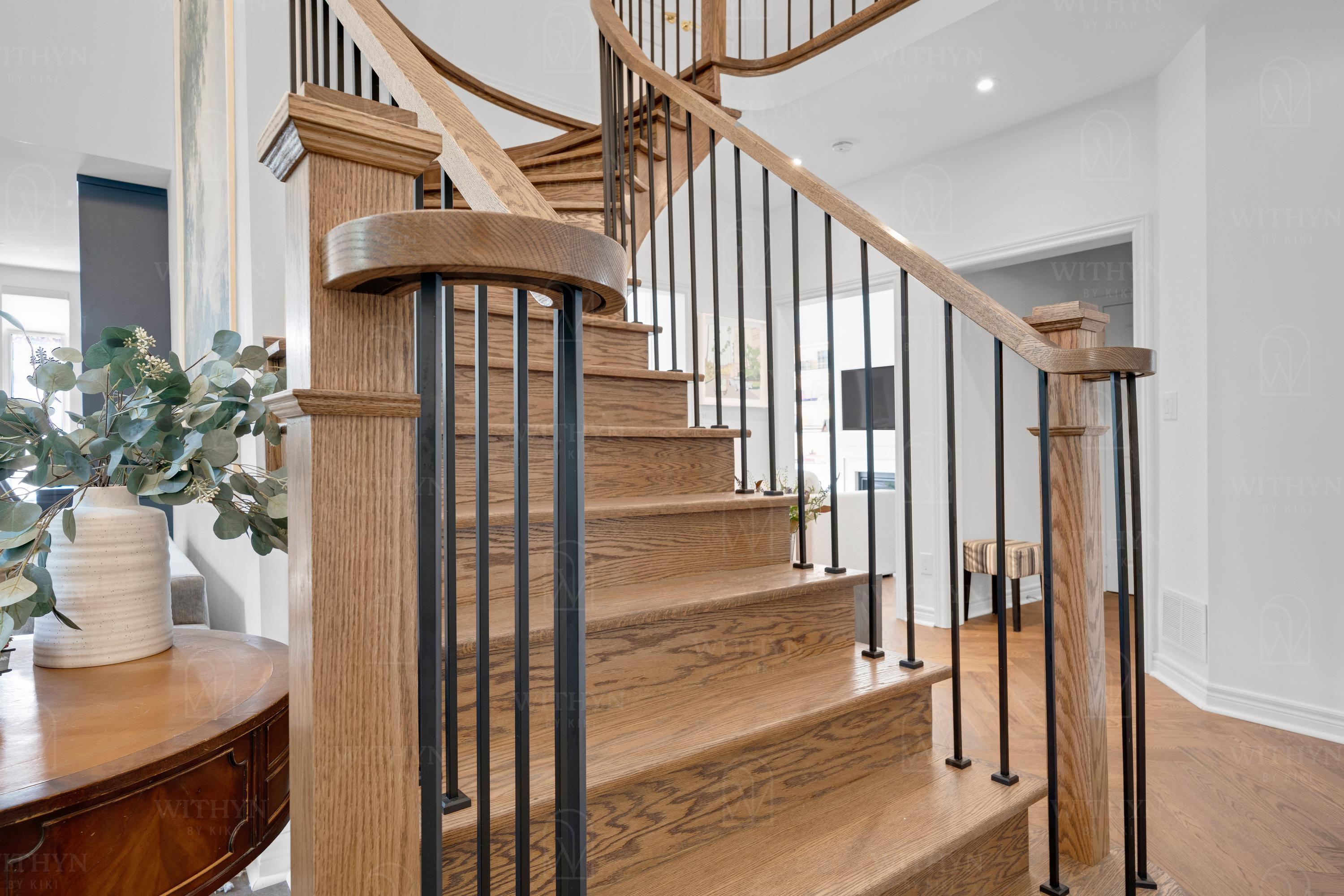
Staircase · Markham
Architectural details and elegant stairway design
 4 images
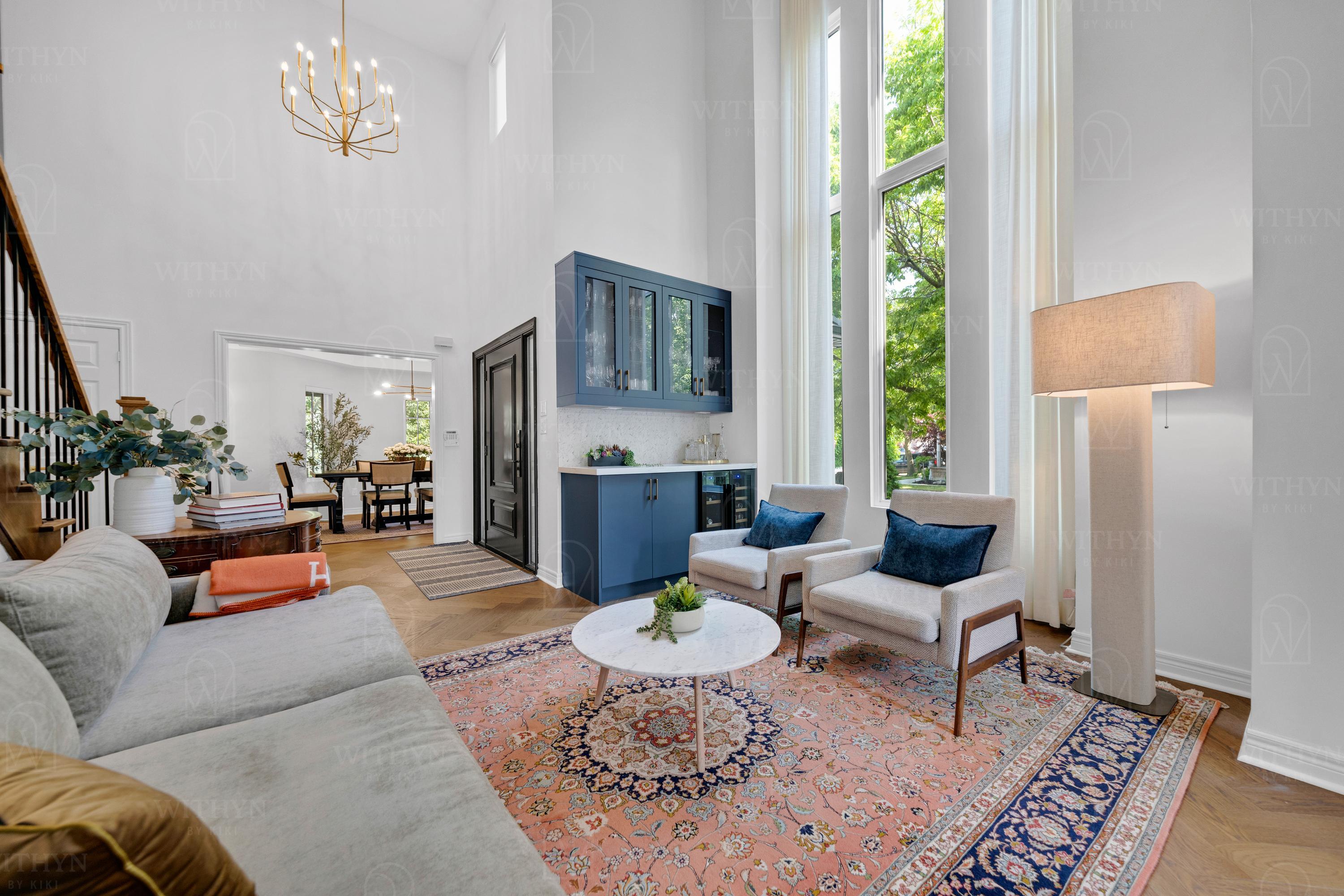
Entry Foyer · Markham
Welcoming entrance spaces with stunning first impressions
 1 images
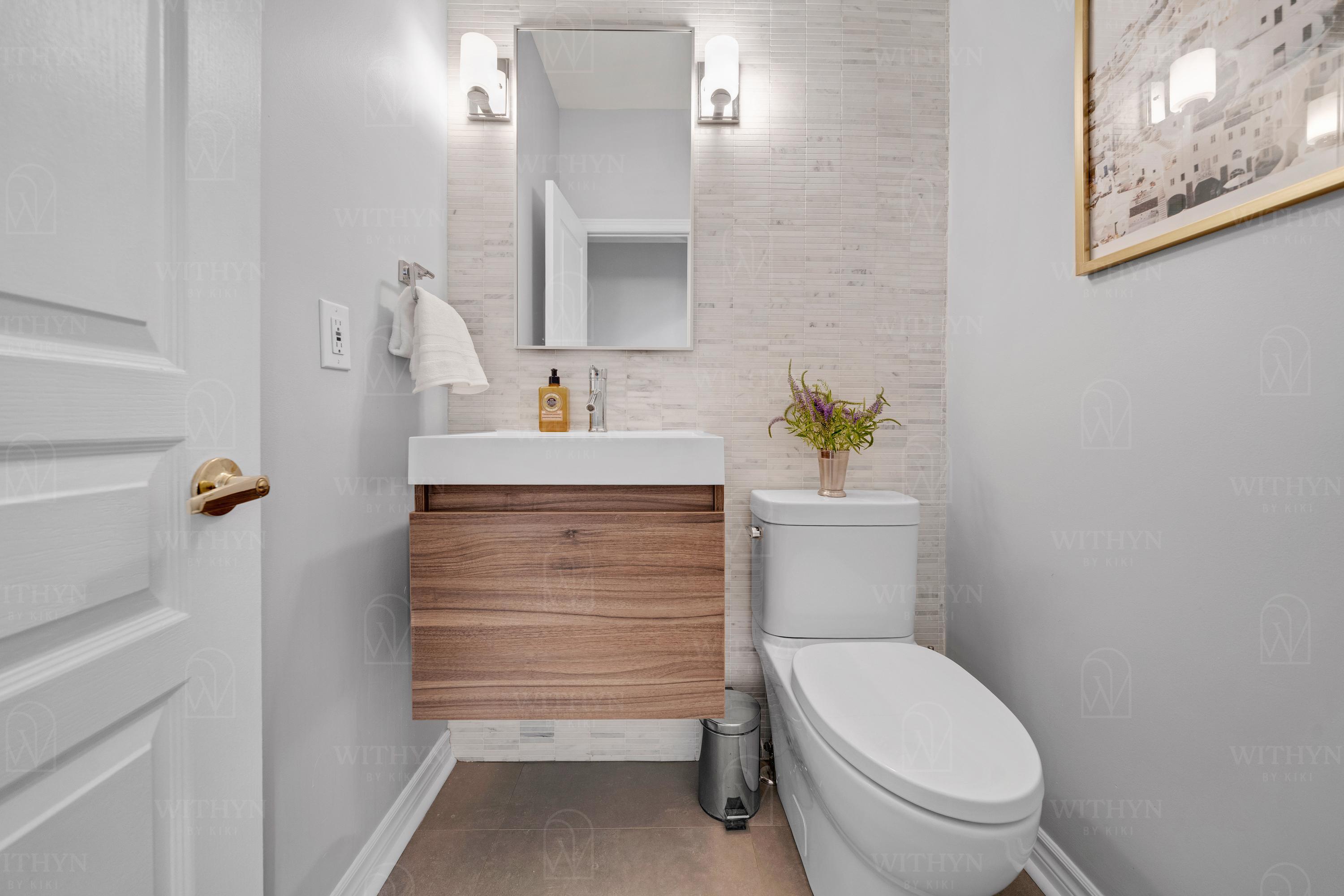
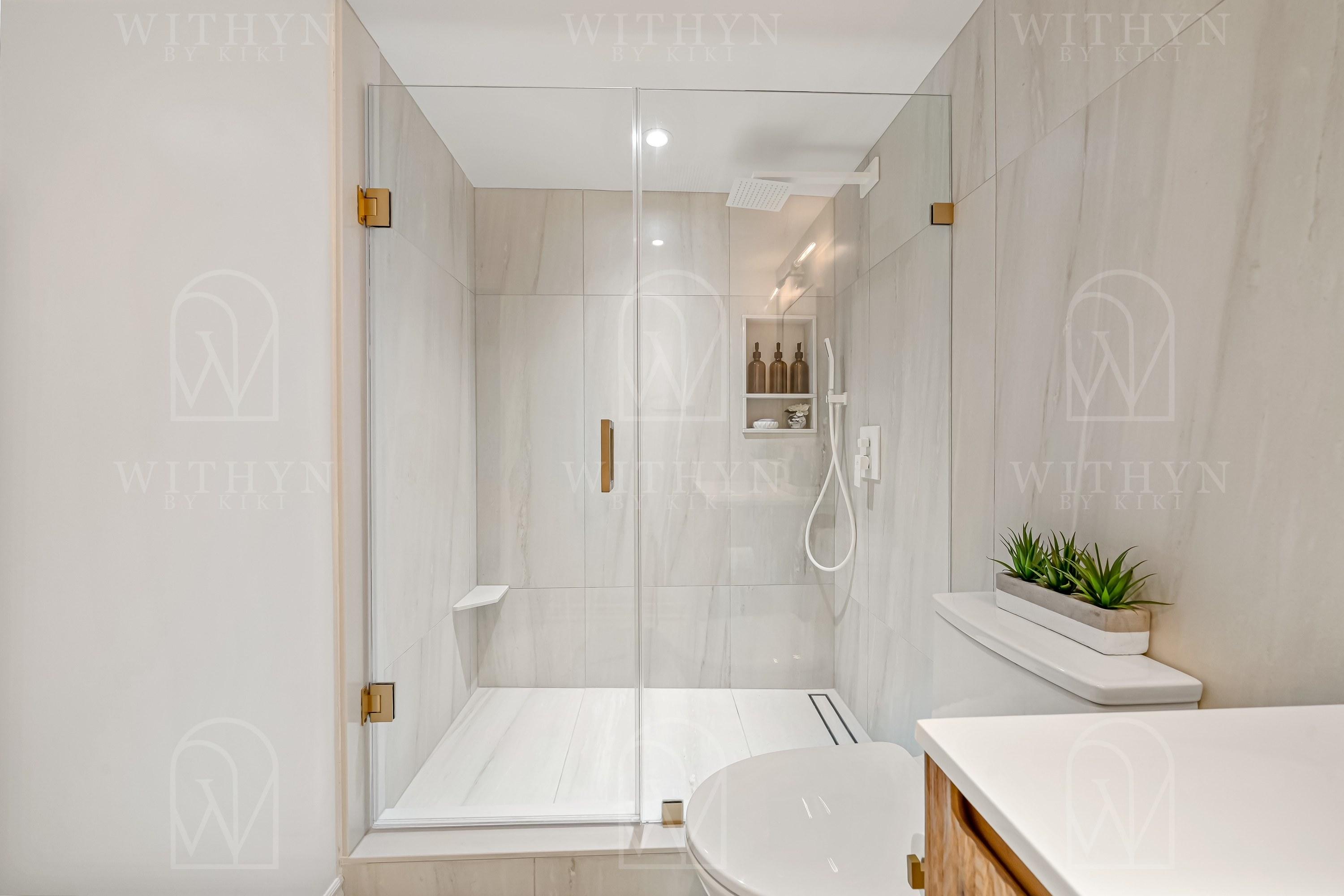
Bathroom · Markham
Luxurious bathroom design with premium finishes
 3 images
Bathroom · Richmond Hill
Luxurious bathroom design with premium finishes
 14 images
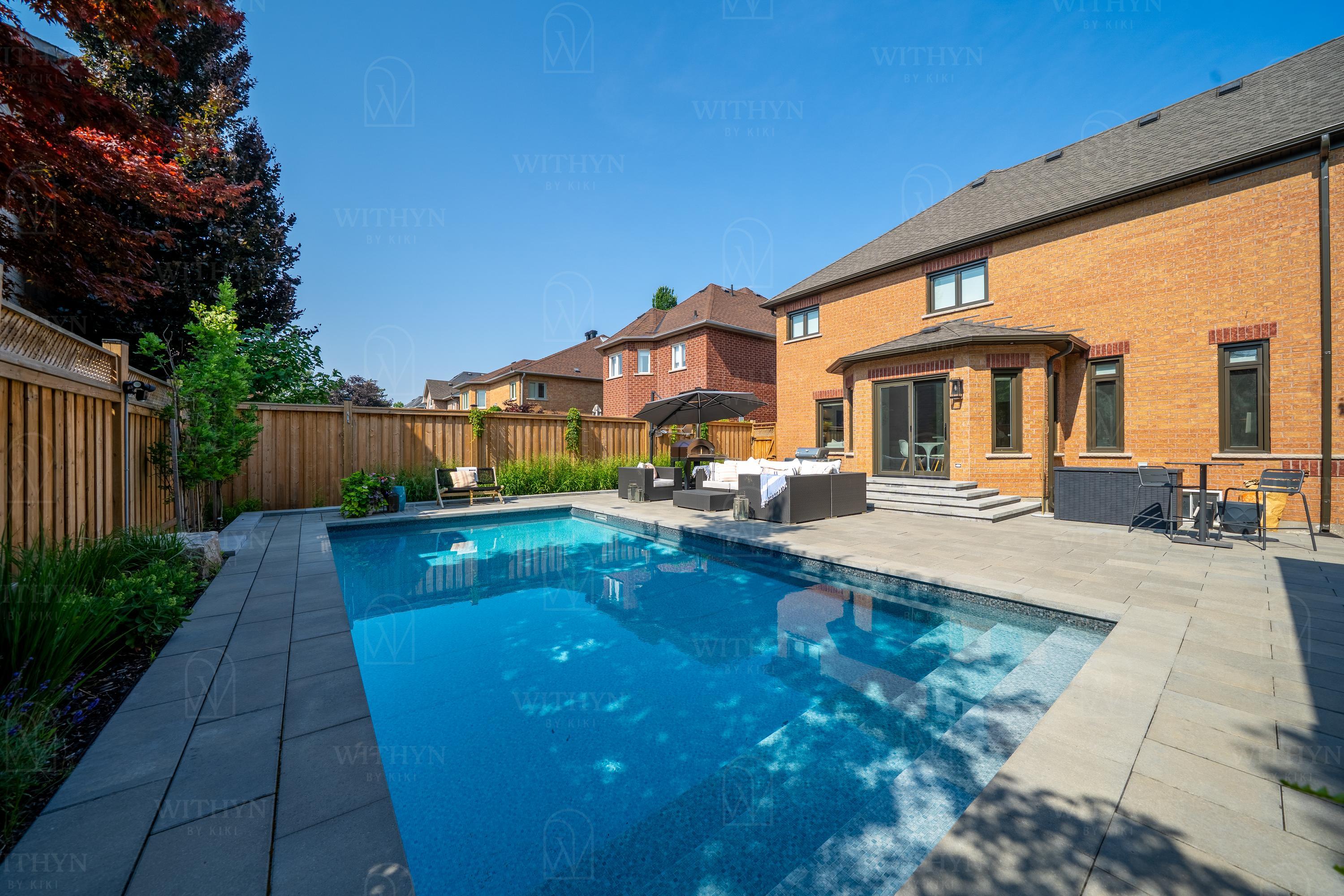
Outdoor Pool & Patio · Markham
Beautiful outdoor spaces perfect for relaxation and entertainment